

Housing costs in Florida keep squeezing everyday budgets. Recent data shows affordability still sits about 35% below pre-pandemic levels, and the typical Florida single family home now costs roughly six times the state’s median household income.
That gap pushes many owners to rethink how their primary residence can work harder. From our experience, one of the most practical housing options starts with a simple question: What is an ADU unit in Orlando, FL?
Accessory dwelling units allow homeowners to create flexible space that can generate rental income without buying a new property. This guide explains how ADUs work in Florida, what changed in 2026, and what Orlando owners should know.
For readers also weighing a move, we connect this strategy to options like sell my rental property, covered in our related post.
Short Summary
- ADUs create flexible housing options on existing property.
- Florida’s 2026 law (SB 48) makes it easier for local governments to permit ADUs.
- Orlando zoning and permits still shape size, design, and utilities.
- Costs and returns vary, but many owners use ADUs for steady income or family needs.
- ADUs work best when aligned with long-term plans for a primary residence.
What Does ADU Mean in Real Estate?
Before zoning rules and building permits enter the picture, it helps to lock down the fundamentals. This section answers the core question and clears up common misconceptions we see every week in the Florida market.
What Defines an ADU
At its core, an ADU is a secondary dwelling built on the same lot as a primary dwelling unit. The unit sits behind, beside, or within the main house, but functions as a complete living space.
For instance, many homeowners assume a finished room counts. It doesn’t, though. A legal housing unit needs a kitchen, bathroom, and a separate entrance to qualify under accessory dwelling units ADUs rules.

The Three Main Types of ADUs
Most dwelling units fall into three buckets:
- Detached ADU: Standalone structures built as a backyard cottage or separate structure.
- Attached ADU: Additions physically connected to the primary home.
- Internal suites: Living areas carved out from existing space within the primary structure.
A garage conversion on the same property often fits the third category, while basement conversion ADUs are rarer but possible in certain Florida elevations.
The “Same Property” Rule
An ADU always stays tied to the primary dwelling. It can’t be sold separately, even though it feels like its own separate unit. That detail matters more than many expect for units owned under a single deed!
Florida’s 2026 Legislative Shift: ADUs by Right
Florida quietly changed the ADU landscape with SB 48, and the impact feels immediate as we enter 2026. This shift removes long delays that used to stall otherwise solid projects.
What the 2026 Law Changes
By July 1, 2026, state law requires local governments to permit accessory dwelling units “by right” in all single-family zones. Public hearings will no longer block projects by default. As housing policy experts often note, predictability is what finally unlocks housing supply.
Owner-Occupancy & Homestead Protection
Under the new law, property owners can earn rental income without being forced to live in the main dwelling.
Most importantly, your principal residence status and homestead tax exemption stay intact, though the rented secondary dwelling is assessed separately based on its use.
State Law vs Local Compliance
Every local jurisdiction must update its local ADU regulations by December 1, 2026. While each city still controls design details, outright bans on accessory dwelling units are now prohibited across the state.
Zoning Regulations and Building Permits in Orlando
Orlando homeowners face fewer surprises when zoning requirements are checked early. This step saves time, money, and stress down the line.
Zoning Districts That Allow ADUs
Most ADUs appear on a single family residential lot within an approved zoning district such as R-1, R-1A, or R-2. Checking the municipal land use map first avoids costly redesigns. In Orlando, a standard R-1 lot typically needs at least 6,000 square feet to qualify for an ADU.
Size, Structure, and Code Limits
Local regulations cap the maximum square footage at 50% of the main residence or a maximum of 1,000 square feet. Additionally, the total area of the house plus the ADU must not exceed a 0.50 Floor Area Ratio (FAR) of the lot.
Permits and Utilities
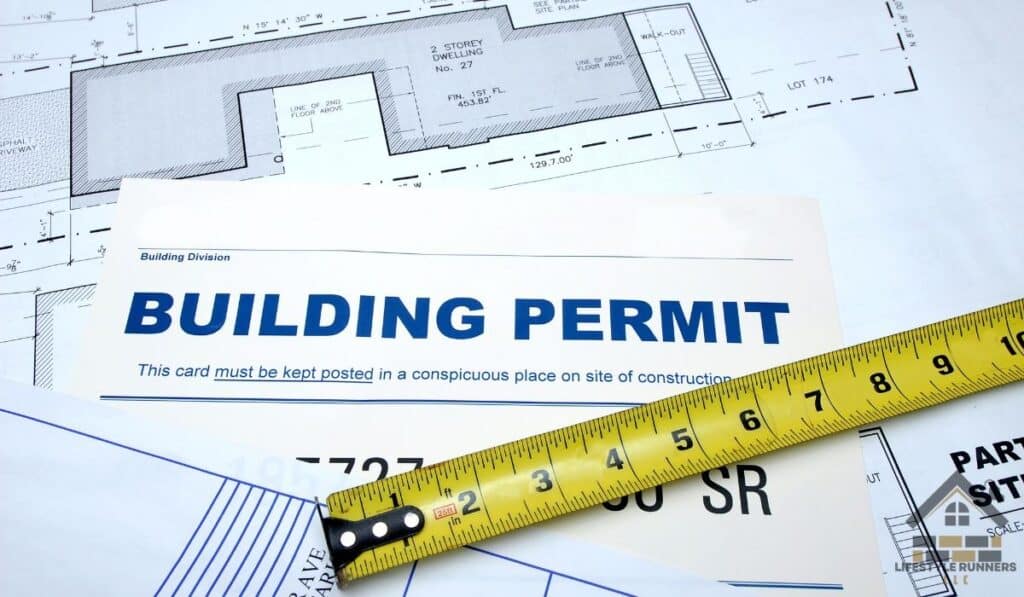
All projects require building permits and compliance with the Florida Building Code, including hurricane-rated materials. Some setups need a separate utility meter, while others trigger utility fees tied to municipal land policies and zoning regulations.
Top ADU Designs: From Granny Flats to Carriage Houses
Design choices shape how well an accessory unit fits daily life. We have seen practical layouts outperform flashy ones every time.
Detached and Standalone Options
Popular granny flats, guest house builds, and guest cottage designs sit as a separate structure in the yard. A carriage house above a garage often balances privacy and access while minimizing the footprint on the same lot.
Conversions and Internal Suites
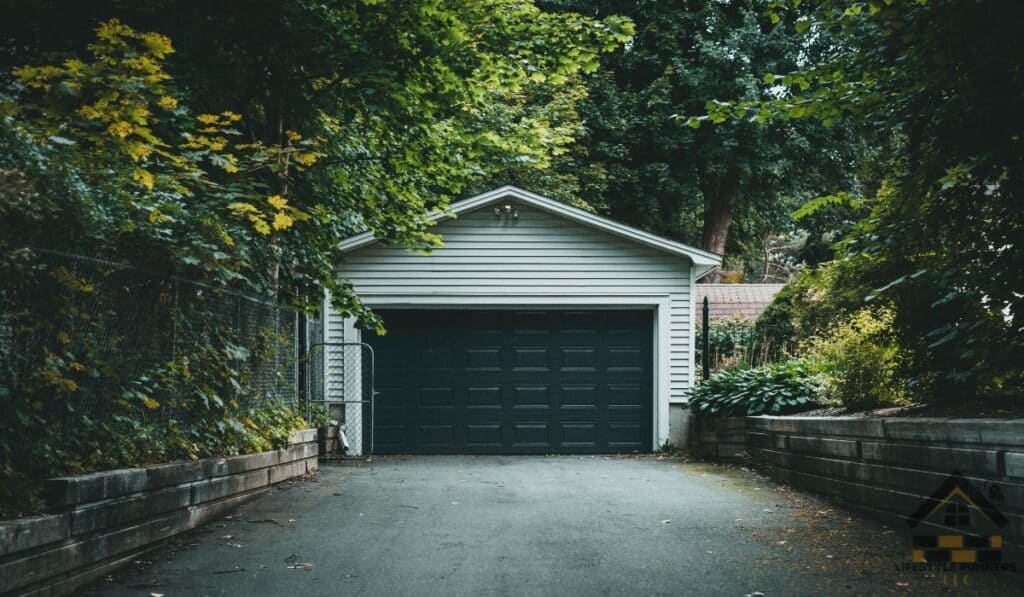
A garage conversion or accessory apartment inside the home works well for mother-in-law units or a flexible in-law suite. These secondary suites are often the fastest way to add a housing unit without major exterior construction.
Modern and Flexible Alternatives
A garden suite, garage apartments, or compact tiny homes support an elderly family member or long-term renters. These designs ensure a living space that adapts over time instead of boxing owners into one use.
ADU Rental: The Financial Reality of Costs vs Passive Income
Let’s talk numbers. Building an additional dwelling unit is an investment, but the passive income can be substantial. You must weigh the upfront ADU costs against long-term cash flow.
Typical ADU Costs in 2026
Costs vary wildly by type. A new detached ADU in Central Florida might range from $140,000 to $250,000. A garage conversion often costs much less, perhaps $80,000 to $120,000. These figures include design, permit accessory dwelling units fees, and construction. Always get three detailed quotes before starting your ADU development.
Rental Income Potential
To earn rental income, research local rental housing rates. A one-bedroom accessory apartment in Orlando could rent for $1,400 to $1,800 monthly. This transforms your property into rental housing that pays for itself over time.
Financing and Tax Considerations
Explore financing options like a HELOC or specialized ADU construction loans. Some local governments offer financial assistance for projects that provide affordable housing.
Remember, adding a unit increases your property taxes because the secondary dwelling is assessed at market value, though your primary home remains protected.
Solving the Housing Shortage with Affordable Housing
ADUs offer a smart, quiet solution to our big housing shortage. They create new housing options without changing a neighborhood’s feel.
Why ADUs Matter at Scale
Each additional dwelling unit adds a gentle density. Imagine if every tenth lot added one. That’s a 10% increase in housing units without a single large apartment building.
This scale creates true affordable housing options and helps solve the broader issue of housing affordability.
Family and Community Benefits
They champion multigenerational living. An elderly family member can age in place nearby, not in an assisted living facility. This keeps family members connected, strengthening community ties one backyard at a time.

Is an ADU Right for Your Primary Dwelling?
An ADU impacts your daily life. Does this ADU development suit your primary home lifestyle? Let’s assess the fit.
Ownership and Management Tradeoffs
You become a landlord. This means managing repairs and rent collection for a separate unit. Are you ready for a 3 AM call about a leak? For some, this passive income stream is worth the active work. For others, it’s a burden.
Resale and Lifestyle Considerations
An ADU can boost your existing property value for the right buyer. However, some buyers prefer a simpler yard. Think about your long-term plan. Do you see yourself in your main residence for many years? Your answer guides the choice.
Final Thoughts
ADUs are not a one-size answer, but they give homeowners real flexibility. An accessory unit can support income goals, family needs, or long-term plans tied to a primary residence.
Rules still vary by city, so local ADU regulations, municipal land policies, and local governments always matter. Take time to weigh your housing options, then decide what fits best.
Explore more resources and guides by visiting our homepage or, if you’re ready to sell your Orlando property as-is, call Lifestyle Runners at (321) 364-3206.
